


What is Tinnitus?
Tinnitus is the perception of a phantom sound. That high-pitched ringing after a concert? That’s tinnitus. Hearing noise in a quiet room while trying to fall asleep? That can be tinnitus too. It shows up differently for everyone; ringing, buzzing, or a sound like a high-tension wire and the variation doesn’t point to one single cause.
What is clear is how common it is. The CDC estimates that 15% of adults in the U.S. experience some form of tinnitus, and noise exposure over time is a major contributor.
That’s why protecting your hearing matters. Prevention is everything. EARPEACE earplugs are a simple, underrated tool that can make a meaningful difference. By gently reducing overwhelming noise without cutting you off from the world, they help lower everyday sound stress and create a calmer, more comfortable listening environment, wherever you are.
Best Earplugs for Tinnitus
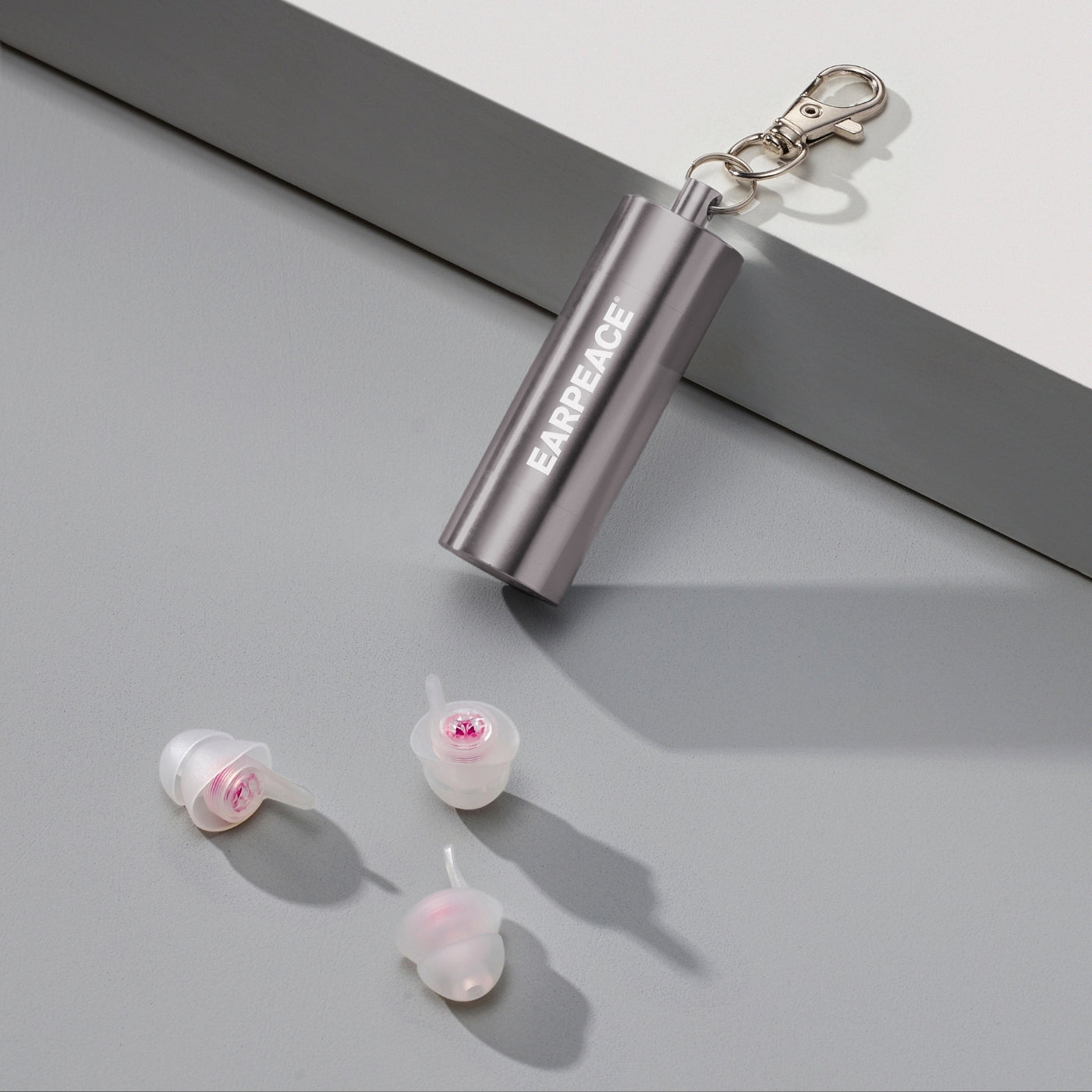
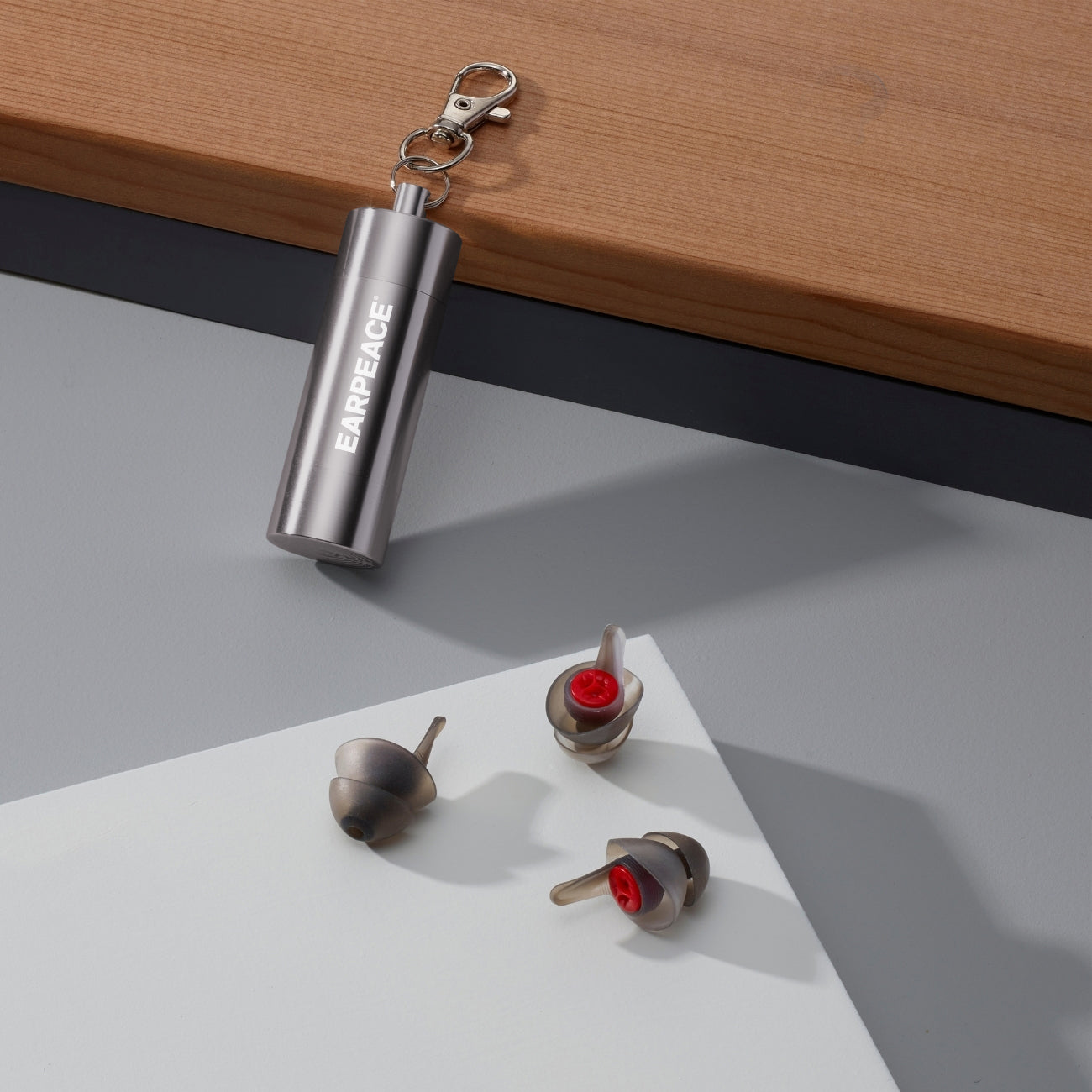
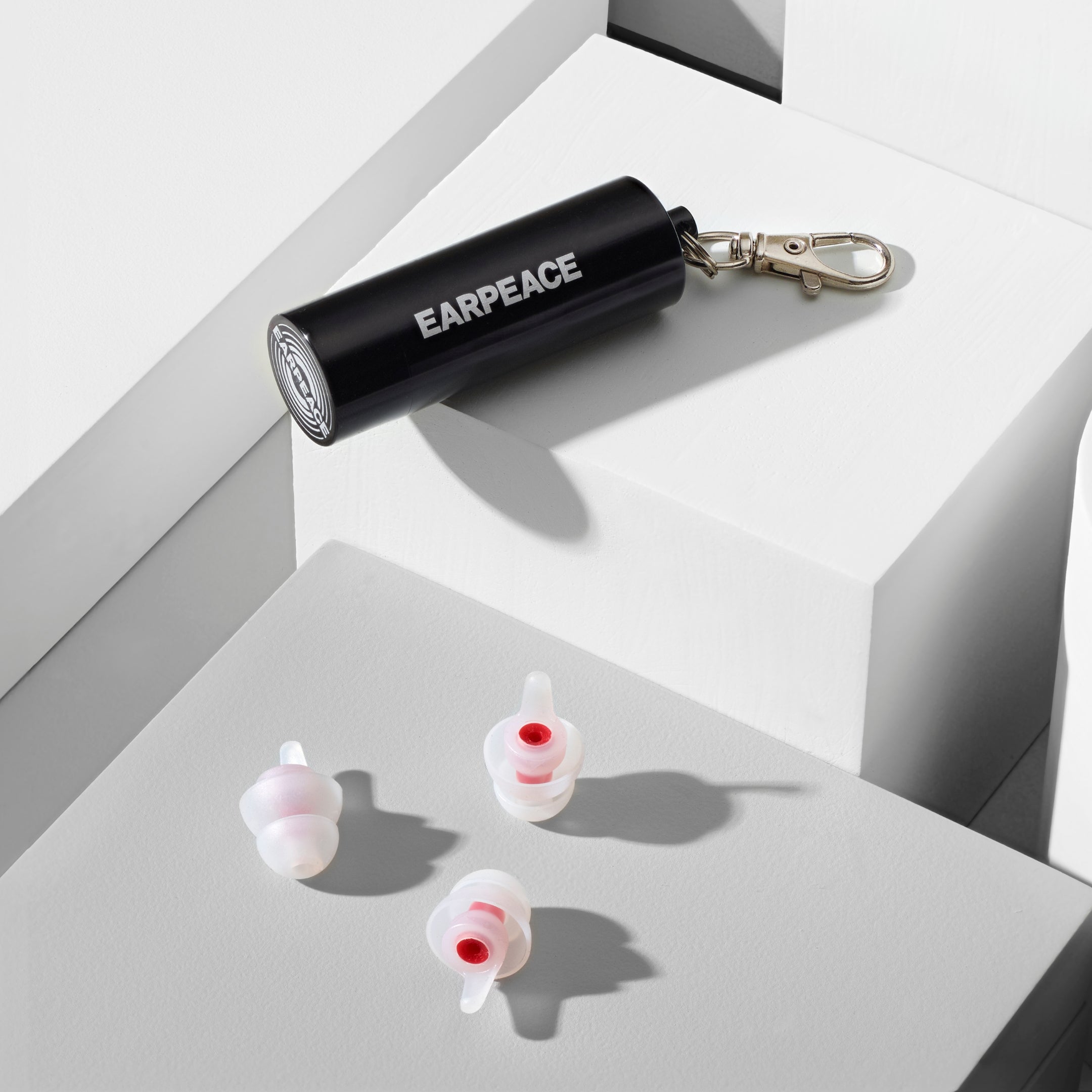
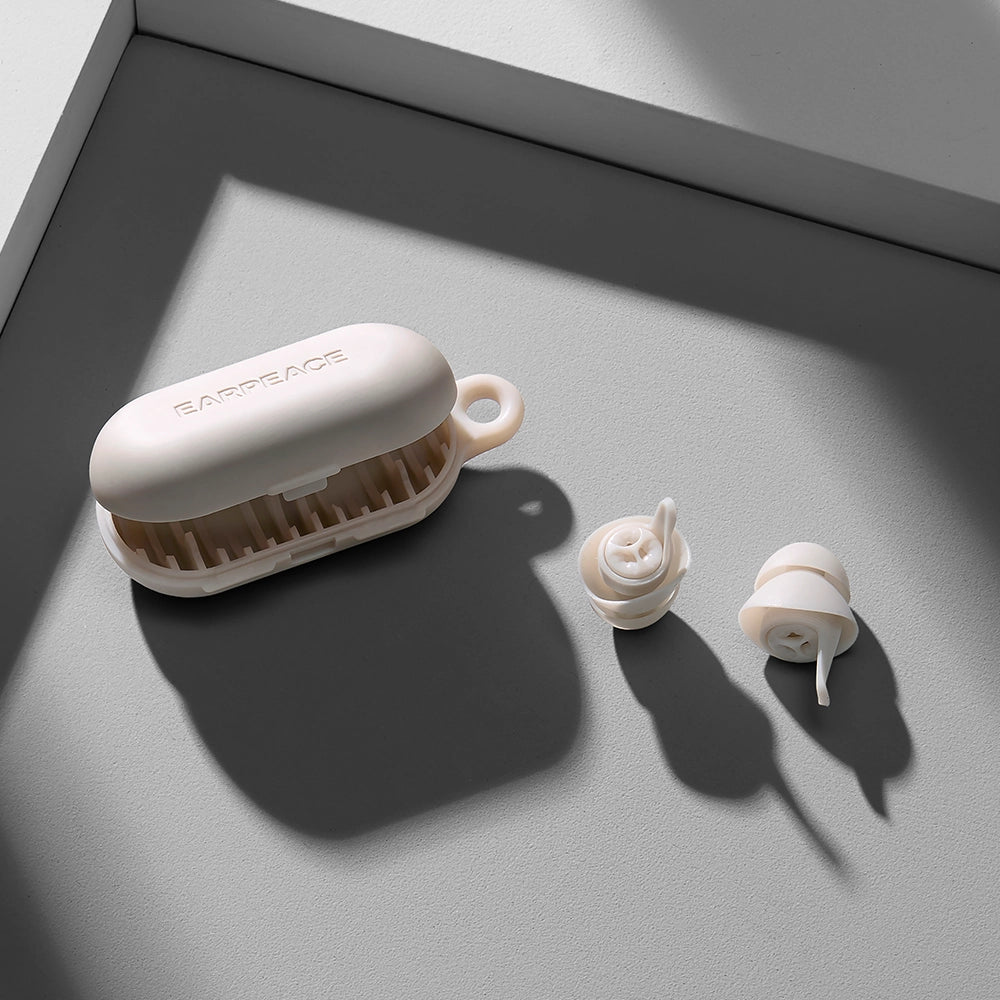
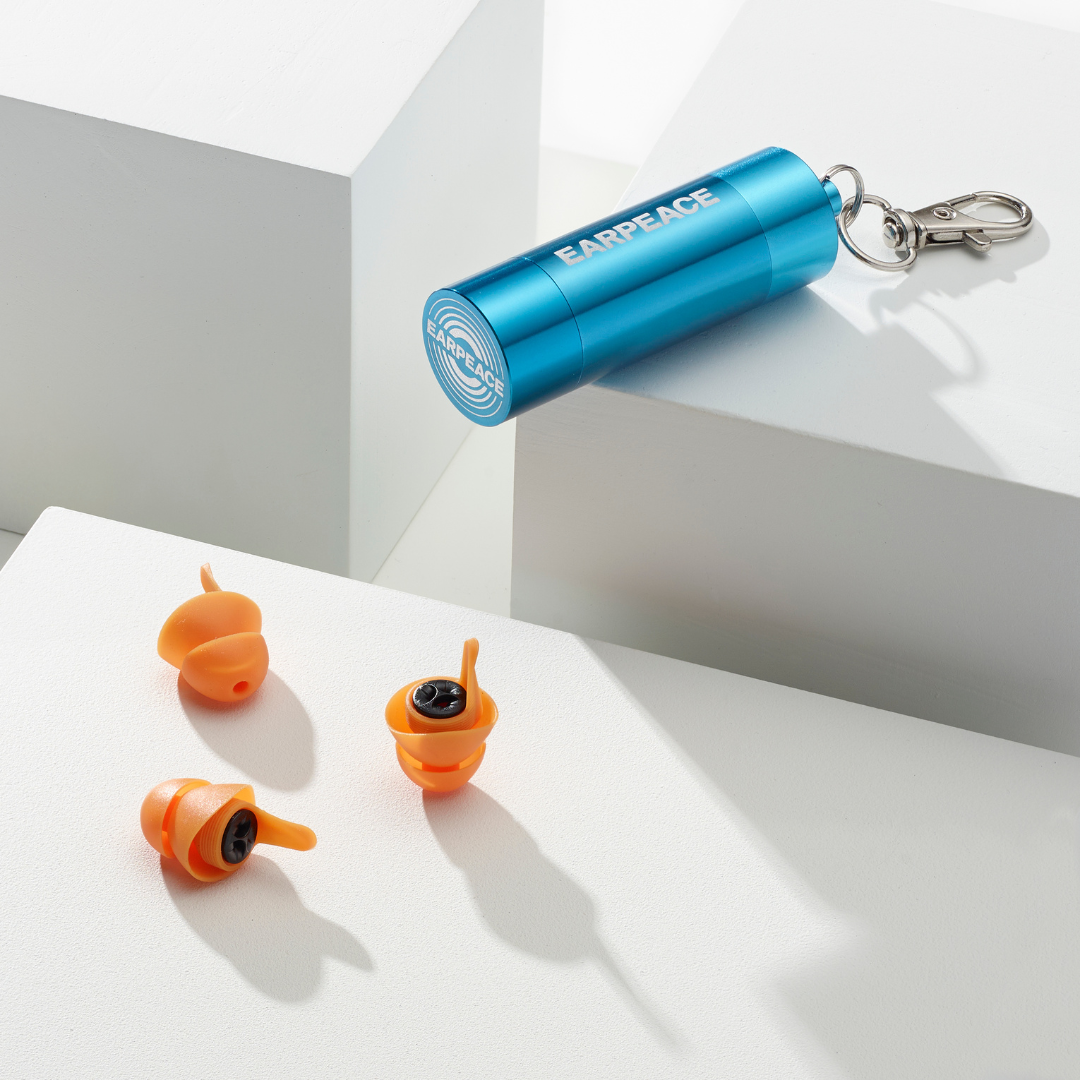
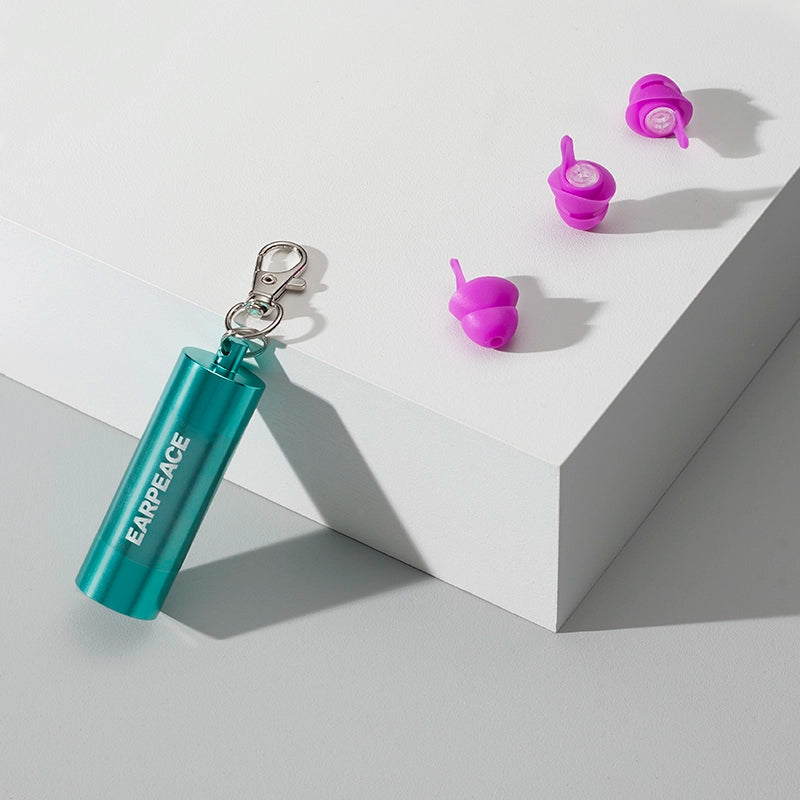
"The best way to prevent tinnitus is to limit further damage to your hearing system. Using hearing protection, like EARPEACE earplugs for tinnitus, reduces the volume of potentially harmful sounds."

The 4 Types of Tinnitus
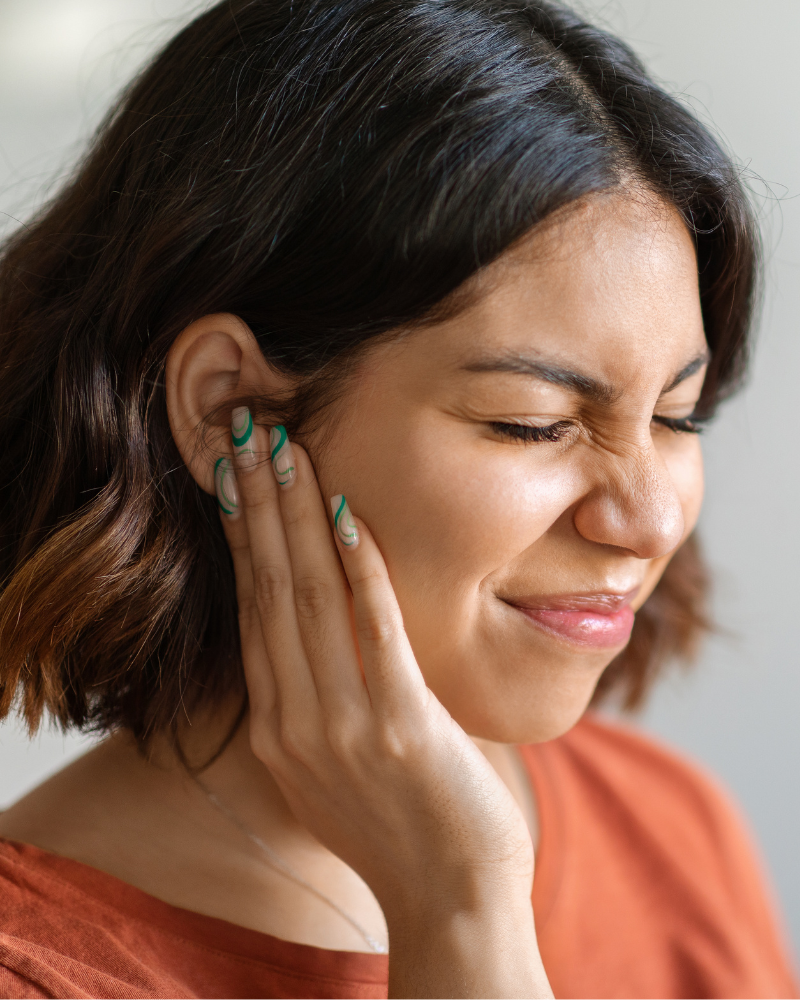
Subjective Tinnitus
The Most Common Type of Tinnitus
Subjective Tinnitus is the most commonly reported form of tinnitus and can appear and disappear without warning and for the most part inaudibly, detectable only by the patient themselves. While it’s frequent that subjective tinnitus occurs as a result of prolonged exposure to excessive noise above 85 dB (the maximum threshold for normal hearing,) in some cases it can last no more than 12 months. In severe diagnoses, however, it may last throughout a patients’ life.

Objective Tinnitus
A Less Common, More Treatable Form of Tinnitus
Objective tinnitus is a much rarer form of tinnitus, estimated to occur in less than five percent of all cases. Yet it’s also one of the more treatable forms. Unlike subjective tinnitus, the objective form can be heard as a pulse beating synchronously with the heartbeat of a patient. Objective tinnitus is frequently the result of abnormal muscular contractions in the inner ear as well as vascular deformities, both of which can be treatable through surgical procedures and (in some cases) implants.
Neurological Tinnitus
Tinnitus Linked to the Nervous System
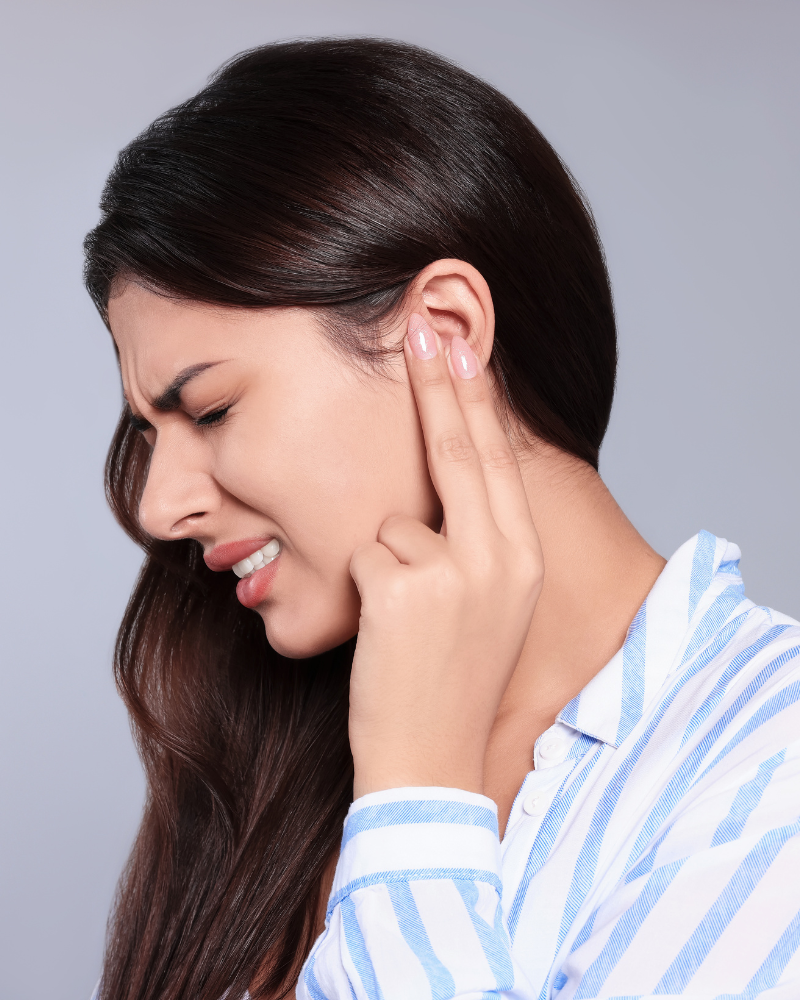
Neurological Tinnitus is typically caused by any number of disorders affecting the connection between the inner ear and the brain’s auditory functions. Some of the more common causes of neurological tinnitus can be the result of acoustic neuroma, multiple sclerosis, head injuries, noise exposure, otosclerosis, meningitis and Ménière's disease.

Somatic Tinnitus
Tinnitus Affected by Neck and Jaw Movement
A musculoskeletal condition which occurs when contractions of the neck and jaw muscles correlate with the pitch, loudness and other acoustic effects common with subjective tinnitus. While most commonly caused by TMJ disorders, recent studies have indicated that controlled treatment with electroacupuncture and electric nerve stimulations have proven responsive in helping to minimize its effects.
FAQs
Can EARPEACE earplugs help prevent tinnitus?
Yes. EARPEACE earplugs reduce exposure to loud sounds that can contribute to noise-induced hearing damage, a common risk factor for tinnitus. By lowering overall volume levels in loud environments, they help protect your hearing health over time.
How can EARPEACE earplugs protect against tinnitus triggers?
EARPEACE’s acoustic filters attenuate harmful noise while keeping sounds clear. This reduces the strain on your ears in environments above safe sound limits (85 dB and up), helping prevent flare-ups and undue stress on your auditory system.
Are EARPEACE earplugs helpful if I already have tinnitus?
While there’s no universal cure for tinnitus, reducing exposure to loud or jarring sounds can lessen symptoms or prevent them from worsening. Many people with tinnitus use EARPEACE earplugs to soften triggers that make ringing or buzzing more noticeable.
Can wearing EARPEACE earplugs make tinnitus worse?
No, when used correctly in noisy situations, EARPEACE earplugs lower harmful volume without blocking important sounds. This balanced reduction can help minimize sudden exposure to loud noise that might otherwise exacerbate tinnitus.
How do EARPEACE earplugs differ from foam plugs for tinnitus prevention?
Unlike simple foam plugs that block sound unevenly, EARPEACE earplugs feature high-quality filters that reduce volume evenly across frequencies so you still hear clearly. This makes them more comfortable for everyday use and more effective at managing noise exposure.
Can EARPEACE earplugs help me stay engaged in loud settings without tiring my ears?
Yes. Their design lowers background noise to safer levels while keeping speech and environmental cues clear. This means less listening fatigue — a factor that can contribute to ear stress and potentially worsen tinnitus symptoms.
How often should I use EARPEACE earplugs to protect my hearing?
Whenever you’re in environments louder than comfortable or where sound levels exceed safe thresholds (such as concerts, festivals, riding a motorcycle or attending sporting events), wearing EARPEACE earplugs consistently can help reduce cumulative noise exposure and support long-term auditory health.
Are EARPEACE earplugs a replacement for medical treatment for tinnitus?
No. EARPEACE earplugs are not a cure for tinnitus and are not a substitute for medical care. They are a preventative and supportive tool that helps manage noise exposure; one of the most common contributors to tinnitus by reducing strain on your ears in loud or triggering environments.

The Ultimate Guide to Tinnitus
Helping to manage your tinnitus can also have an exponential affect on both your physical and mental wellbeing

10 Techniques I Use to Help Control My Tinnitus
Tinnitus can bring on fear, anxiety and stress - but it gets better, and there are plenty of ways to control and even embrace it.
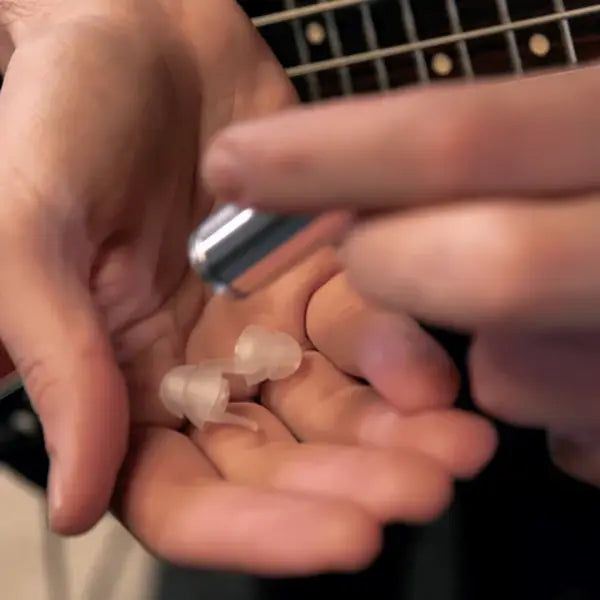
What Every Musician Needs to Know About Tinnitus
What exactly is tinnitus, and what can a performer do to prevent it? We reached out to an expert and a musician living with tinnitus to learn more.